Creating native riverside woodland to improve river health and resilience in an exposed upland catchment.
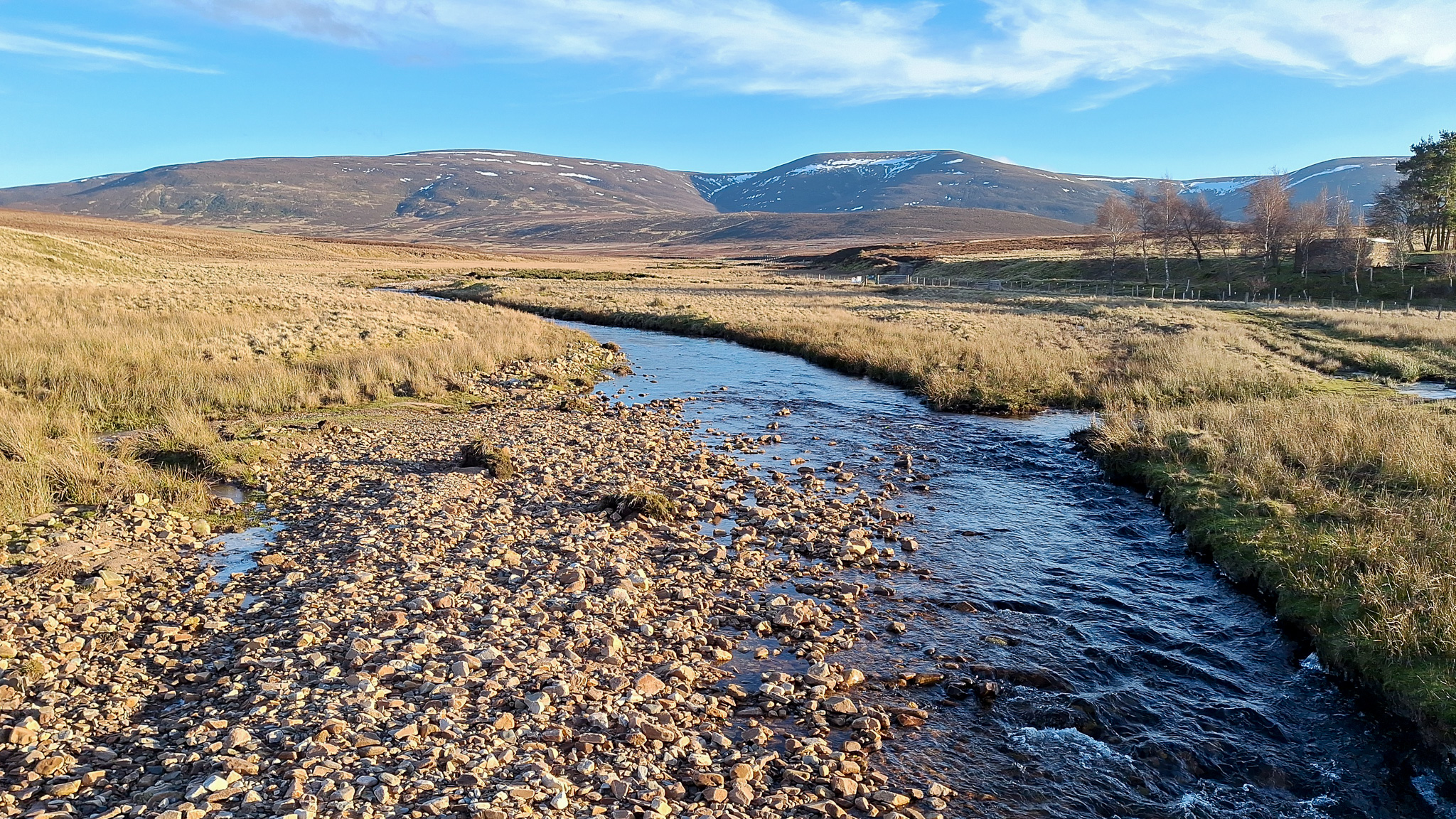
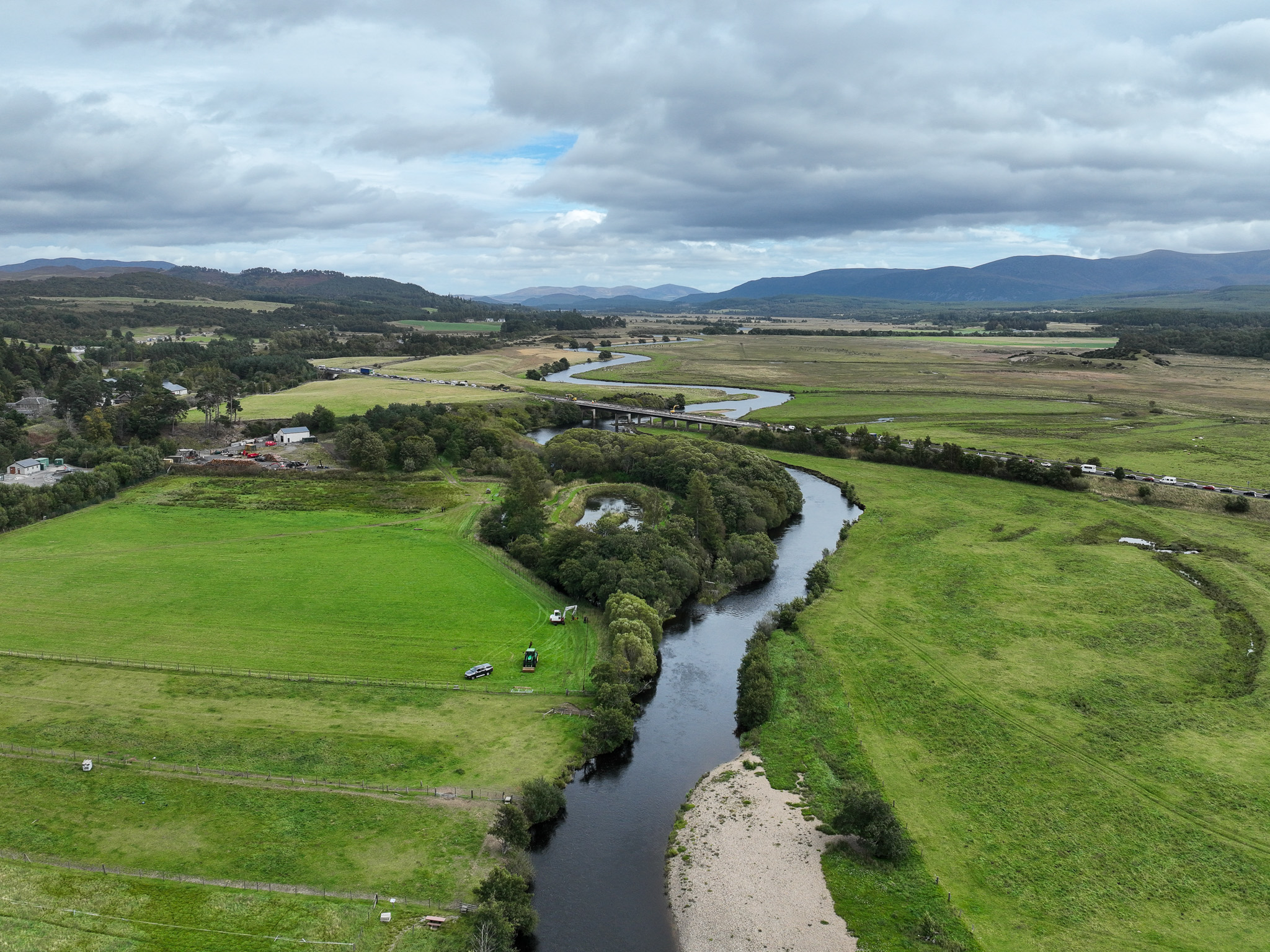
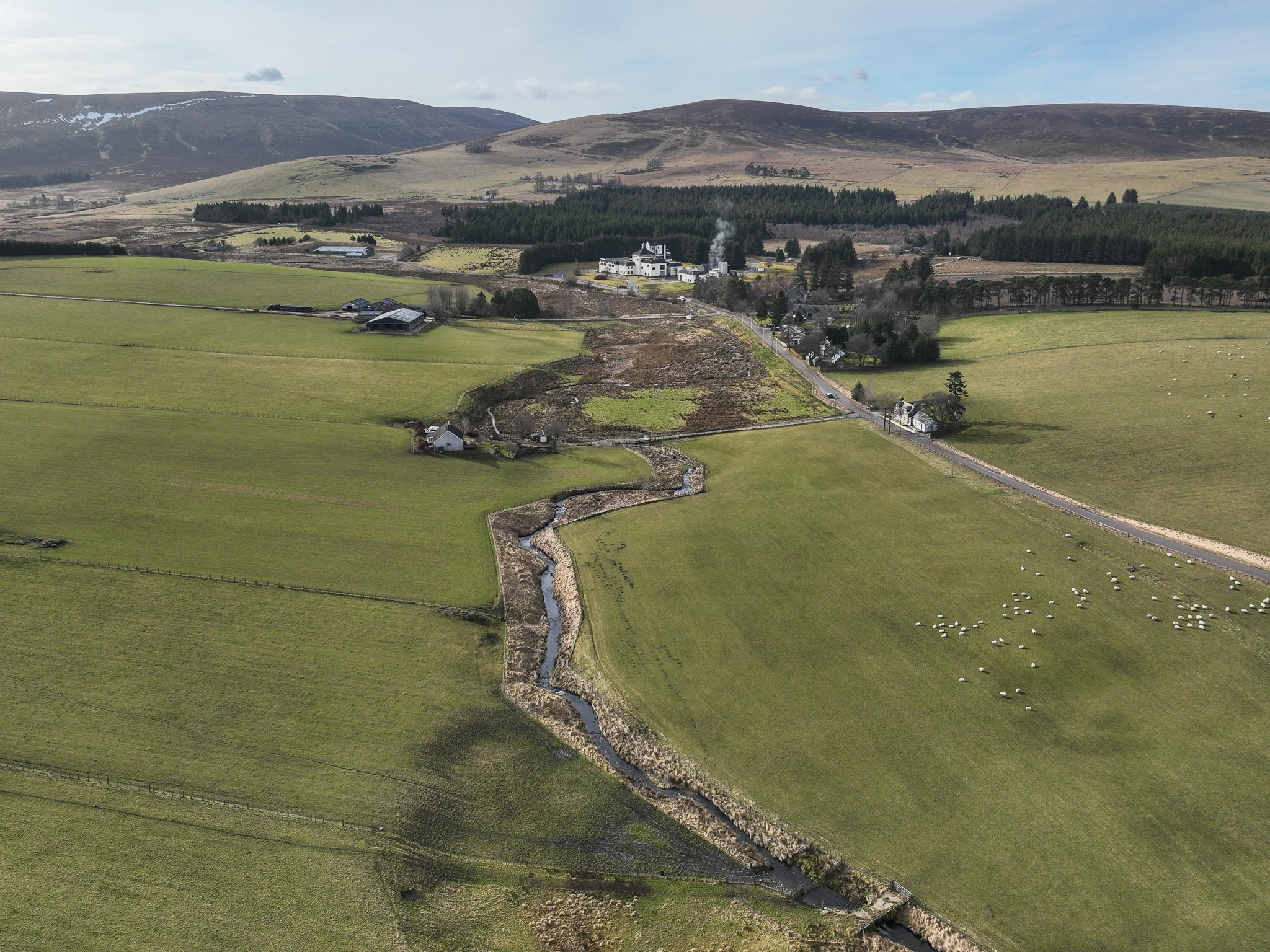
This project created new native riparian woodland along the River Truim, downstream of Dalwhinnie, in an area with very little tree cover along the riverbanks.
The project was developed and delivered by the Spey Catchment Initiative in partnership with Ralia Estate, Cuiach Estate and a tenant farmer, with support from the Riverwoods Blueprint project and funding from Diageo. The aim was to restore riverside habitat in a challenging upland location where natural regeneration is limited
Project Delivery: What did we do?
- Designed a native riparian woodland project suited to an exposed upland site
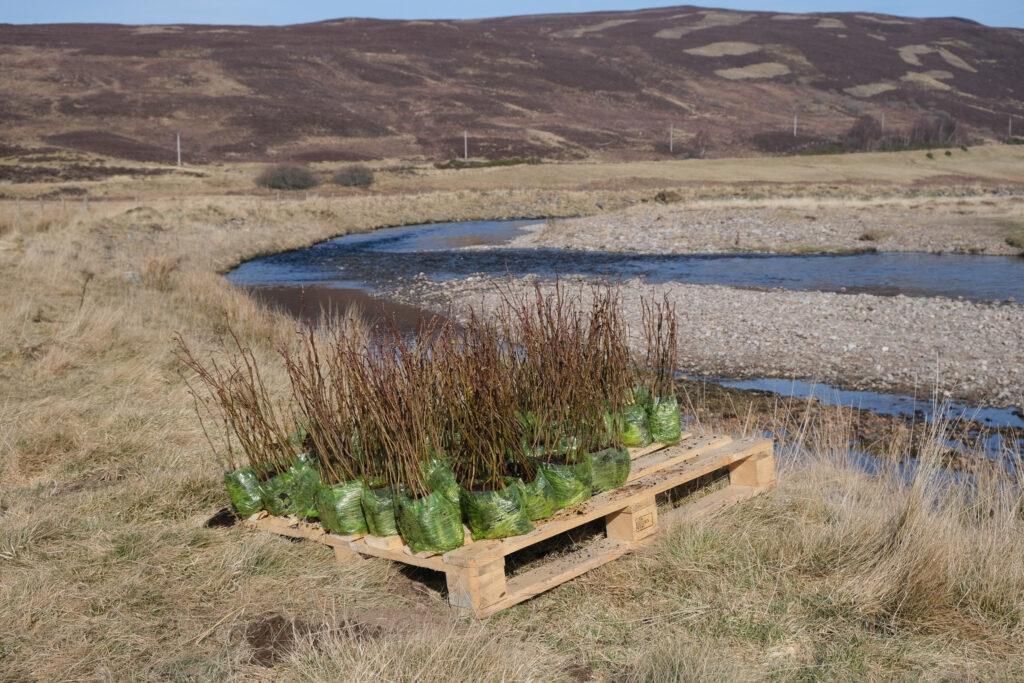
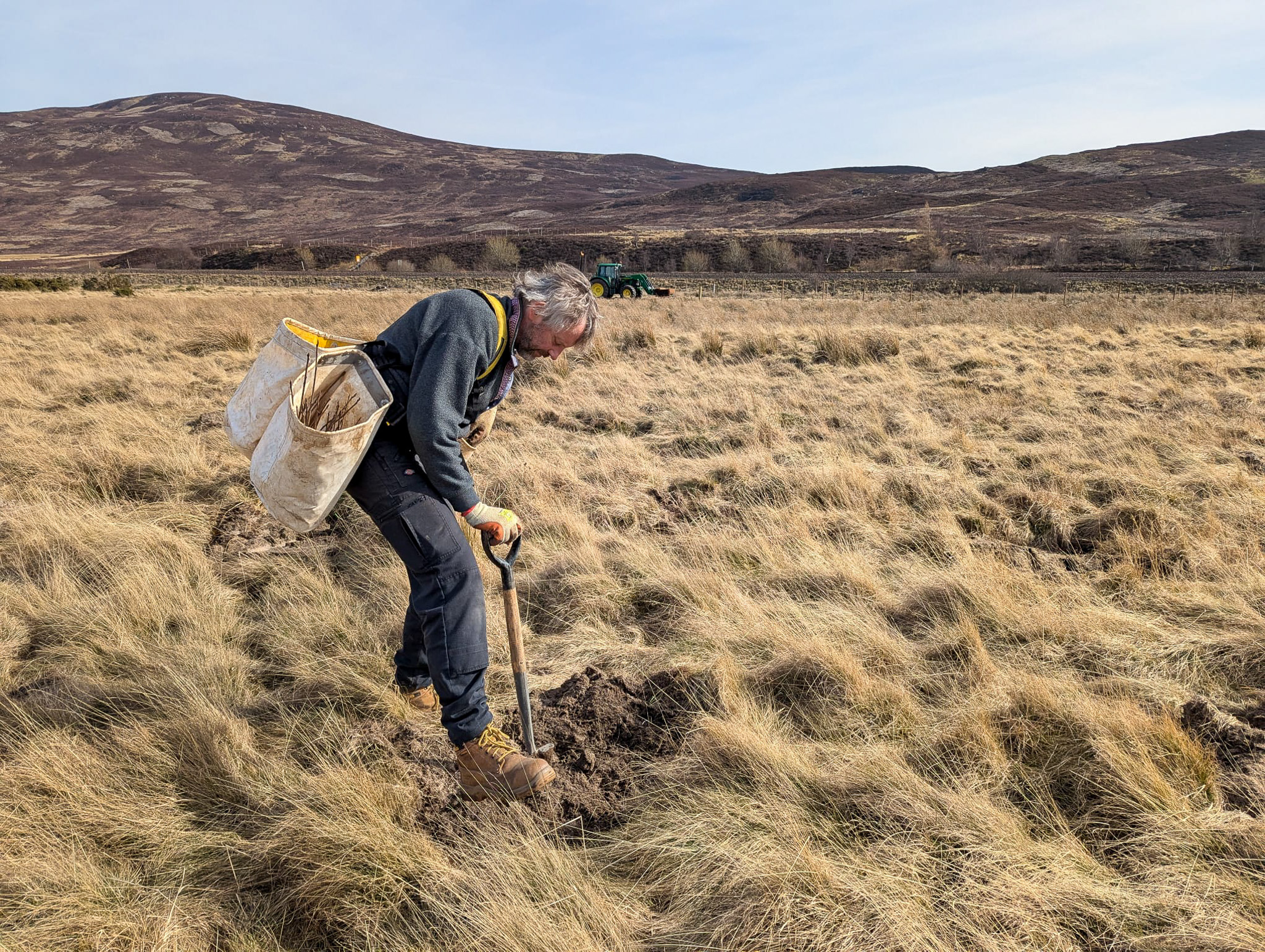
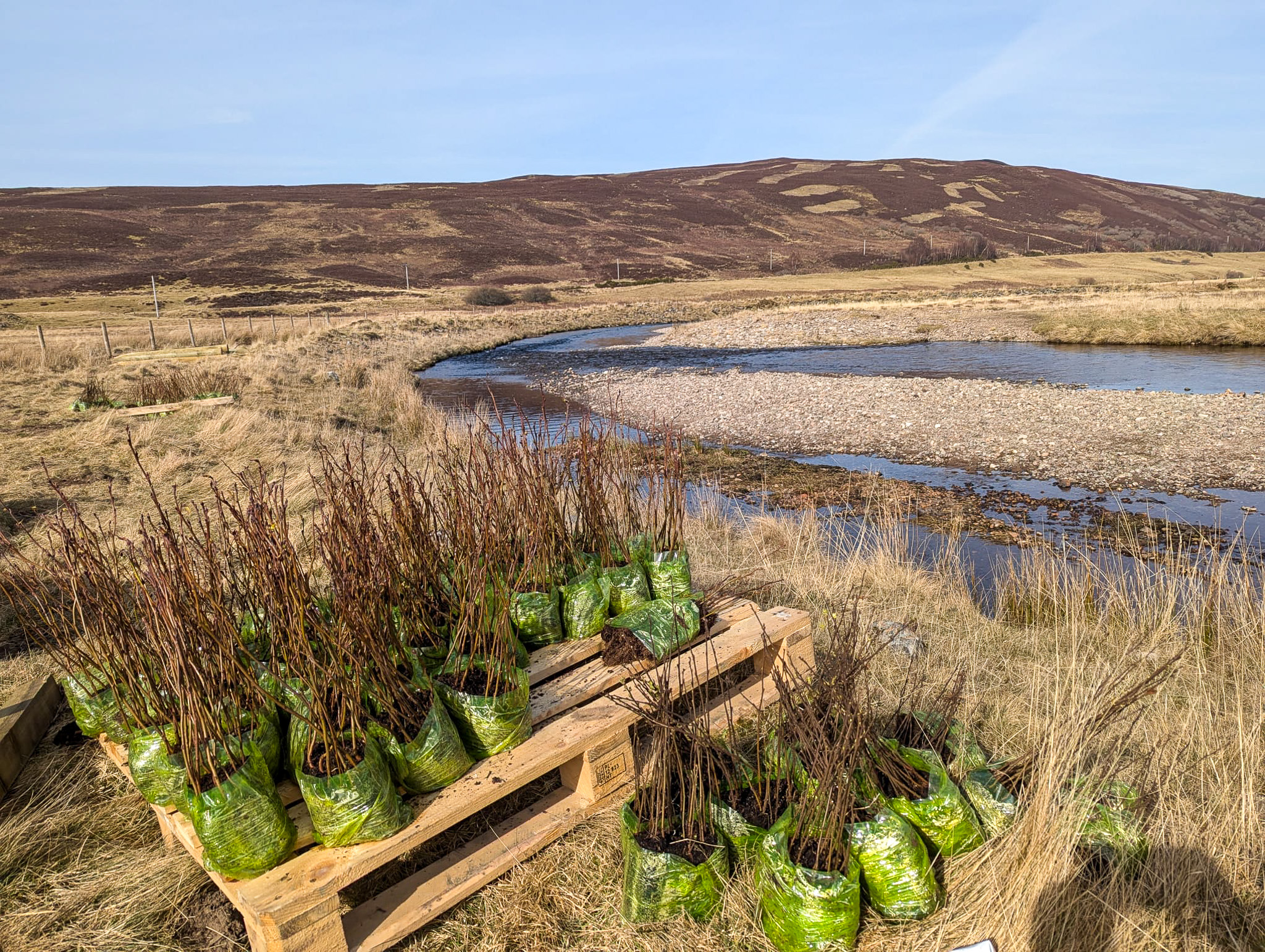
- Planted approximately 9,000 native trees along the river corridor
- Species included common alder, downy birch, grey willow, goat willow and bird cherry
- Protected newly planted areas from livestock damage by installing fencing
- Conducted site visits and carried our early maintenance to help young trees establish. We are continuing to monitor the trees and adapt to challenges with floodplain fencing and increasingly extreme weather patterns on a very exposed site, emphasising the vital importance of projects like this.
Why it matters
This stretch of the River Truim is a prime spawning site for Atlantic salmon, however it has very limited natural shading due to historic land use, grazing pressure and a lack of local seed sources. As a result, high in-river water temperatures and reduced habitat quality are a concern.
Native riparian woodland helps shade rivers, stabilise banks and improve habitat for freshwater wildlife, including Atlantic salmon and freshwater pearl mussel. Planting woodland at this scale will also create future seed sources, helping natural regeneration to take place over time and improving the long-term health of the river and surrounding landscape.
These are difficult sites to restore, but they are often where nature restoration is most needed — and where progress would be unlikely without collaboration and long-term support.
Riparian woodland can also deliver wider benefits — from reducing pollution and erosion to improving habitat connectivity and helping rivers respond more naturally to climate change.
Learn more about the benefits of riparian woodland
Project Updates
None to date
Partners and support
This project was delivered in partnership with Ralia Estate, Cuiach Estate and a tenant farmer, with support from the Riverwoods Blueprint project who funded project officer time to develop and deliver this project. We are also very grateful to Diageo who provided funding for the fencing and tree planting, as well as ongoing project monitoring and improvements.
Careful collaboration was needed to balance farming activity, estate management and the needs of sensitive habitats and species.
Riverwoods Blueprint Project (Funding for staff time)

Diageo (Funders)

Ralia Estate (Land partners)
Cuiach Estate (Land partners)